LET’S INTERACT, lIVE LIFE, LOVE PEOPLE
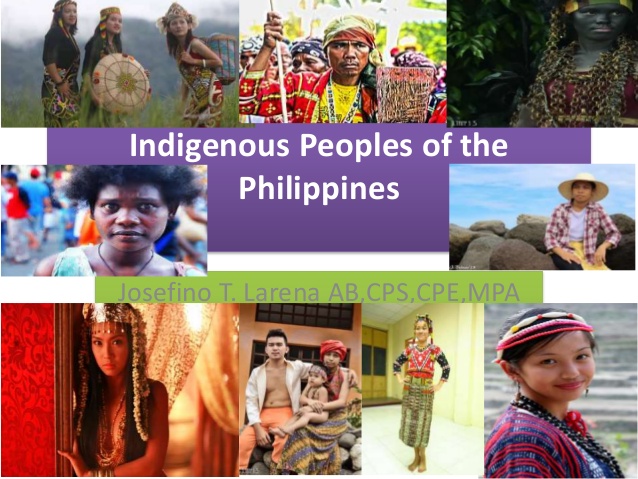
Filipinos (Filipino: Mga Pilipino)[40] are the people who are native to or citizens of the country of the Philippines. Filipinos come from various Austronesian ethnolinguistic groups. Currently, there are more than 185 ethnolinguistic groups, each with its own language, identity, culture and history. The number of individual languages listed for Philippines is 185. Of these, 183 are living and 2 are extinct. Of the living languages, 175 are indigenous and 8 are non-indigenous. Furthermore, 39 are institutional, 67 are developing, 38 are vigorous, 28 are in trouble, and 11 are dying.[41]
While the Philippine-born Spaniards during the 19th century began to be called españoles filipinos, logically contracted to just Filipino, to distinguish them from the Spaniards born in Spain, they themselves resented the term, preferring to identify themselves as hijos del país (sons of the country).[48]
Historian Ambeth Ocampo has suggested that the first documented use of the word Filipino to refer to Indios was the Spanish-language poem A la juventud filipina, published in 1879 by José Rizal.[49] Apolinario Mabini (1896) used the term Filipino to refer to all inhabitants of the Philippines. Father Jose Burgos earlier called all natives of the archipelago as Filipinos.[50]
The lack of the letter “F” in the pre-1987 Tagalog alphabet (Abakada) caused the letter “P” to be substituted for “F”, though the alphabets and/or writing scripts of some non-Tagalog ethnic groups included the letter “F”. Upon official adoption of the modern, 28-letter Filipino alphabet in 1987, the term Filipino was preferred over Pilipino.[citation needed] Locally, some still use “Pilipino” to refer to the people and “Filipino” to refer to the language, but in international use “Filipino” is the usual form for both.
THREE FILIPINO WORDS THAT ARE NOT USUALLY USED
1.) GUMON -  pagkalulong sa isang bagay.
                       -  Sa ingles ay addicted

2.) HIDHID - karampot o katiting kung magbigay.
                      -  Sa ingles ay selfish

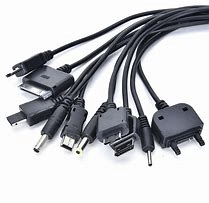
 3.) PANTABLAY - isang aparatong ginagamit upang buhayin ang isang gadyet na may mahina ng baterya.
                               - Sa ingles ay charger
 Aby
Aby 